
From Terraces to Living Rooms: Football Supporter Culture
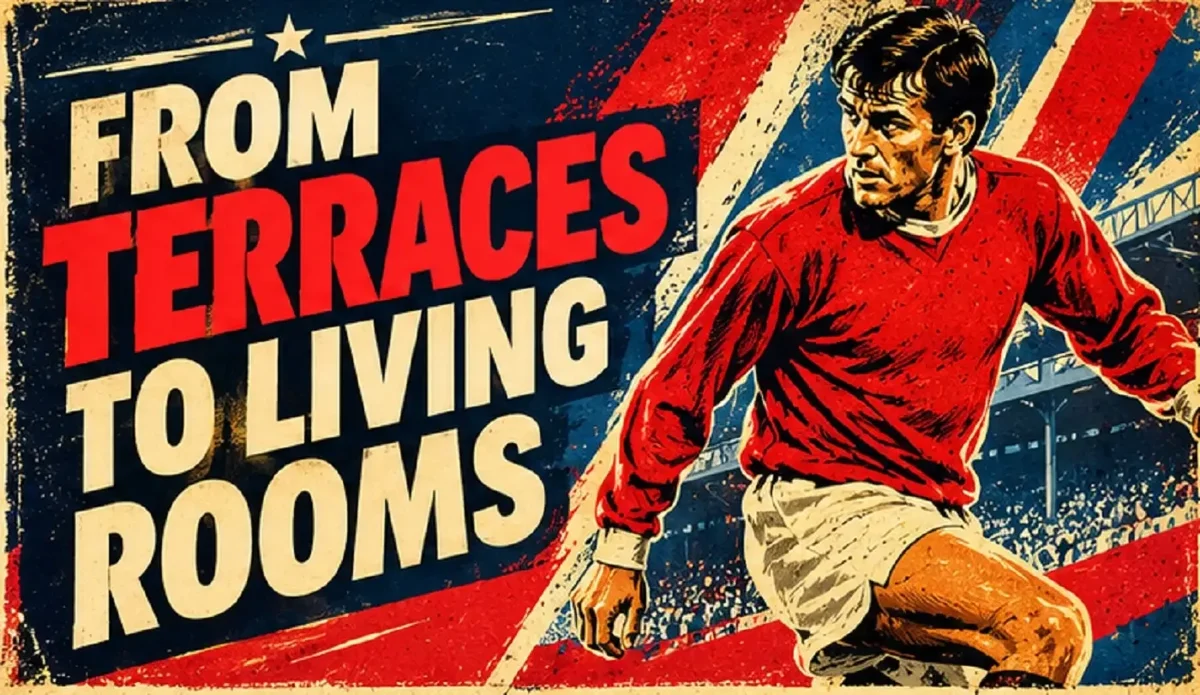
From Terraces to Living Rooms: How Football Supporter Culture Has Changed
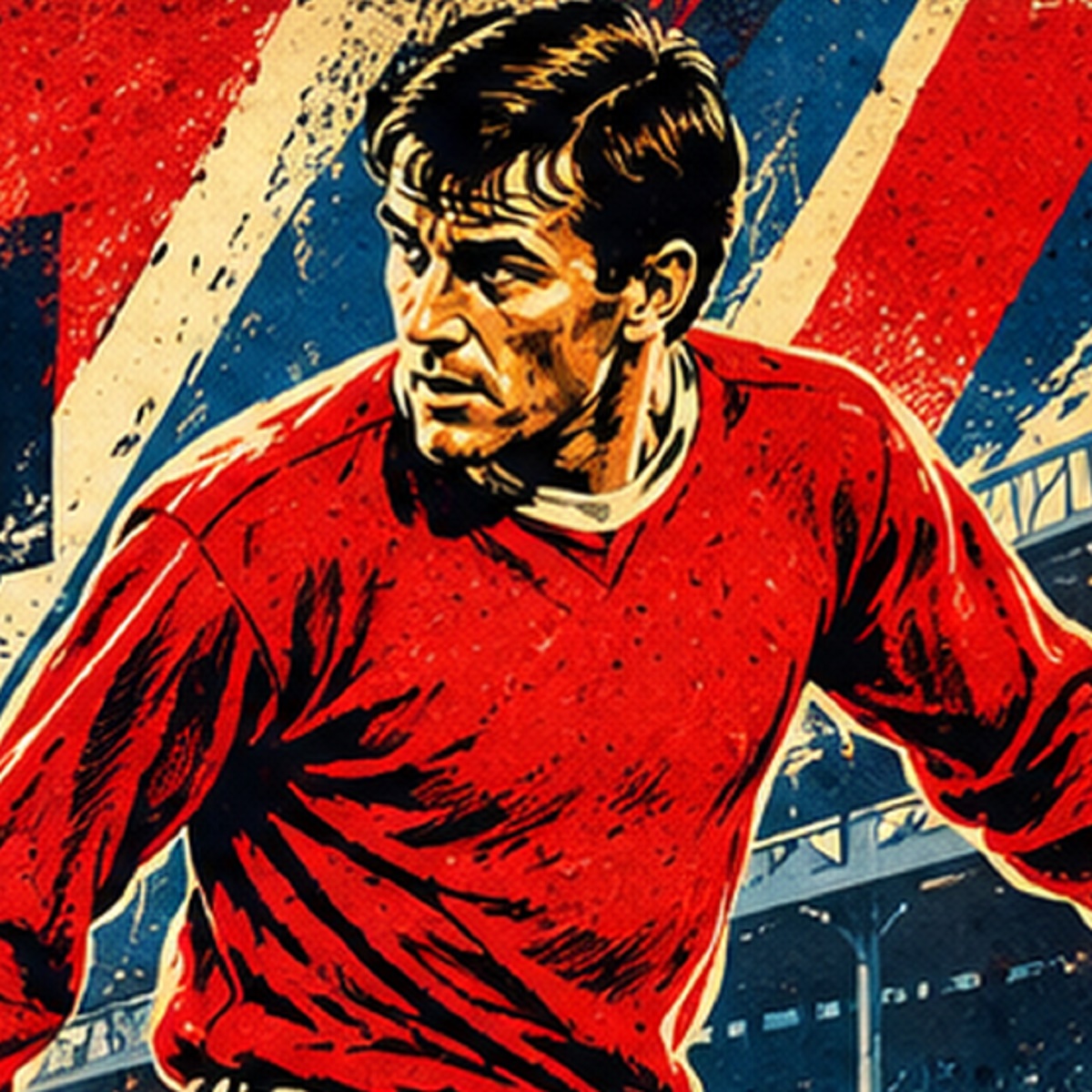
Football supporter culture has never stood still.
The way fans dress, travel, meet, watch matches and celebrate their clubs has changed repeatedly over the decades. Yet many of the traditions that developed around old-fashioned matchdays remain visible today.
Scarves are still worn.
Football hats are still popular.
Retro shirts keep returning.
Old stadiums remain part of supporter folklore.
And increasingly, fans are bringing elements of football culture into their homes.
The journey from the traditional terrace to the modern living room tells us a lot about how football has become part of everyday identity.
What was traditional terrace culture?
The football terrace was about far more than watching the match.
For generations of supporters, matchday involved a collection of rituals.
There was the journey to the ground, meeting friends, buying a programme, finding your place on the terrace and joining thousands of other supporters as the atmosphere built.
Clothing became part of that identity.
Scarves, hats, jackets and football-inspired casualwear were not simply practical items. They became visual signals of belonging.
Colours mattered.
Style mattered.
The club mattered.
And so did the unwritten language of football culture.
Why football scarves became so iconic
Few football accessories are more instantly recognisable than a scarf.
The traditional football scarf has been part of supporter culture for generations. It can be worn around the neck, held above the head, displayed on a wall or passed down through a family.
Scarves also have a strong connection with football atmosphere.
Thousands of supporters holding scarves aloft creates one of those instantly recognisable football images.
Modern football scarves don't always need to replicate official merchandise. Retro-inspired and club-colour designs can celebrate supporter culture in a more understated way.
Football Art Online's football scarf collection is particularly suited to fans looking for that classic matchday aesthetic without necessarily wanting another replica shirt.
From matchday clothing to football lifestyle
Football fashion has gradually moved beyond the stadium.
A supporter might wear a football-inspired hat while travelling, a retro-style T-shirt at the weekend or a football scarf as part of an everyday outfit.
This has helped turn football culture into a broader lifestyle.
The modern fan doesn't have to be standing behind a goal to express their connection with the game.
Football can appear in the way someone dresses, decorates their home, chooses gifts or collects artwork.
That shift is particularly interesting because it means football identity is no longer confined to matchday.
Why retro football style remains popular
Football fashion has a habit of returning.
Styles associated with earlier decades repeatedly find new audiences.
Part of the appeal is visual.
Older football culture often had distinctive colours, typography, patterns and silhouettes that look surprisingly fresh when reinterpreted today.
There is also an emotional element.
A retro football design can remind someone of a favourite era without trying to recreate it literally.
That is an important distinction.
Modern supporters can enjoy the visual character of classic football culture while still living in the present.
Football identity doesn't always need a badge
There is another interesting change taking place in supporter culture.
Some fans want to show their football interests without covering every available surface with official branding.
That has opened the door to more artistic football products.
A stadium illustration, retro football typography, player-inspired artwork or club-colour design can communicate a connection to football without looking like conventional merchandise.
For home décor, this can be particularly useful.
A piece of football wall art can work alongside existing furniture and decoration rather than making the entire room feel like a replica changing room.
How football culture entered the home
The football room has existed in different forms for decades.
Perhaps it was a bedroom covered in posters.
Maybe it was a garage with old shirts hanging from the walls.
Today, football-inspired interiors can be considerably more sophisticated.
Supporters are using framed football prints, canvas artwork, vintage-style signs, scarves and other pieces to create spaces that reflect their interests while still looking like proper rooms.
That might mean a single stadium print above a desk.
It could be a collection of framed artwork in a games room.
Or it might simply be one striking retro football piece in a living room.
The principle is the same: football becomes part of the home's personality.
From terrace memories to modern artwork
This is where football supporter culture and football art overlap.
Traditional football culture created countless visual memories.
Old grounds.
Floodlights.
Crowds.
Scarves.
Classic kits.
Matchday programmes.
Legendary players.
Historic nights.
Artists can reinterpret those memories in completely different ways.
A pop-art design can make a legendary player feel contemporary. A vintage-style stadium print can recreate the atmosphere of an old ground. Abstract football artwork can focus on colours and movement rather than a literal match scene.
That variety is one of the reasons football art appeals to supporters who have grown beyond conventional merchandise.
Why supporter culture is still important
Football has become a global business, but supporter culture remains intensely personal.
A club can have millions of followers around the world while still meaning something completely individual to each person.
One fan may remember going to matches with their dad.
Another may have inherited a club from their grandparents.
Someone else may have discovered their team through a famous player.
The reason for supporting a club differs from person to person.
The emotional connection is what matters.
That is why football accessories and artwork can carry meaning far beyond their practical purpose.
The modern football supporter
Today's football supporter can be many things at once.
They might attend matches regularly.
They might watch every game from home.
They might collect shirts.
They might collect artwork.
They might follow football history more closely than current results.
They might enjoy retro football culture without having experienced it first-hand.
None of these approaches is more authentic than another.
Football supporter culture has always evolved.
What matters is the connection between the fan and the game.
Bringing classic football culture into your own space
If you want to introduce more football character into your home, start with the era or aspect of football that means the most to you.
You might choose a classic stadium.
A favourite player.
A particular decade.
A national team.
A memorable competition.
Or simply the colours and visual style associated with your football memories.
Football Art Online offers a mixture of football artwork, framed prints, canvas designs, posters, scarves, hats and other football-inspired products, giving supporters plenty of ways to create something personal.
The best football décor doesn't necessarily shout.
Sometimes the most effective piece is the one that makes another supporter stop and say:
"I remember that."
Football culture keeps changing
The terraces have changed.
Football fashion has changed.
The way supporters watch matches has changed.
But the desire to belong, remember and celebrate has not disappeared.
It has simply found new places to live.
Some of those places are stadiums.
Some are wardrobes.
And increasingly, they are living rooms, home offices, games rooms and walls filled with artwork.
Football supporter culture hasn't vanished from the terraces.
It has followed supporters home.
Related Articles:
1. Why Football Memories Matter
2. From Terraces to Living Rooms
3. The Art of the Football Poster

Thank you for posting your blog comment. It will be reviewed and set live soon. If you provided your email then you will be notified of replies to this comment.